The Science of EFT
Emotional Freedom Techniques
Evidence-Based Healing
What is EFT — Tapping?
EFT is supported by peer-reviewed research, including randomized controlled trials and meta-analyses demonstrating significant reductions in cortisol, anxiety, PTSD, and depression symptoms. Research shows measurable physiological regulation of the stress response following EFT sessions.
Over 100 peer-reviewed randomized controlled trials (RCTs) have examined EFT. It meets the American Psychological Association's criteria as an evidence-based practice for anxiety, depression, and PTSD.
Clinical Research Has Demonstrated That EFT:
Reduces cortisol levels
Decreases anxiety symptoms
Reduces PTSD symptoms
Improves depression scores
Regulates physiological stress responses
EFT Integrates Therapeutic Traditions:
Acupressure / meridian stimulation (Traditional Chinese Medicine)
Cognitive reframing (similar to CBT)
Somatic regulation (body-based nervous system down-regulation)
EFT combines cognitive focus with somatic stimulation (tapping), engaging the nervous system while processing emotional memories. This integration allows emotional intensity to decrease while the memory remains intact.
Over 100 peer-reviewed randomized controlled trials (RCTs) have examined EFT. It meets the American Psychological Association’s criteria as an evidence-based practice for anxiety, depression, and PTSD.
The Neuroscience of EFT
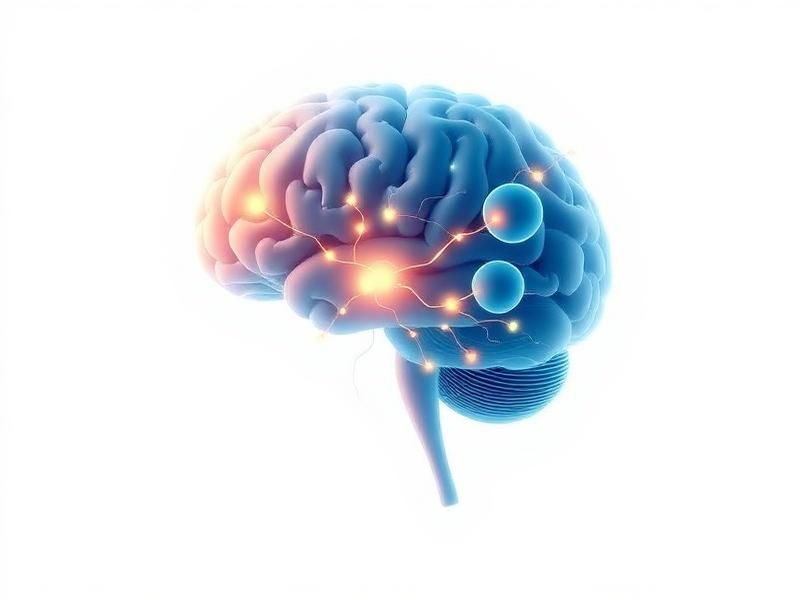
The Amygdala — Calming the Alarm System
The amygdala is the brain's threat-detection center. EFT down-regulates amygdala activity through a "contradictory experience": activating the stress network while simultaneously sending a safety signal through tapping.
Cortisol and the HPA Axis
Multiple controlled studies show that EFT produces significant reductions in cortisol within a single session — reductions not matched by talk therapy or rest alone.
Restoring Rational Thinking
EFT's self-acceptance phrases re-engage deliberate attention and metacognition, reactivating prefrontal cortex function — a simultaneous top-down and bottom-up process.
Neuroplasticity & Memory Reconsolidation
EFT pairs old stress-conditioned triggers with new calming sensory experiences. Over repeated sessions, the nervous system defaults to calm rather than threat.

Mechanosensory Transduction
The physical act of tapping generates a small electrical signal — mechanical pressure activates nerve endings beneath the skin, sending signals to the amygdala and autonomic nervous system. Dismantling studies confirm tapping itself is an active ingredient.
Brainwaves & EEG Research
EEG studies have shown increases in alpha brainwave activity (8–12 Hz) during and after EFT sessions. Alpha waves are associated with relaxed alertness and emotional regulation.
Gene Expression — Epigenetic Effects
Maharaj (2016) found measurable epigenetic changes following EFT sessions: down-regulation of pro-inflammatory genes and up-regulation of immune-supporting genes. This suggests that EFT may influence health at the gene expression level, offering a potential explanation for its documented physical health benefits.
Physiological Markers
Church et al. (2019) measured multiple biomarkers before and after EFT and found significant improvements:
RESTING HEART RATE
−8%
p = 0.001
CORTISOL
−37%
p < 0.00001
SYSTOLIC BP
−6%
p = 0.00001
DIASTOLIC BP
−8%
p < 0.00001
IMMUNE MARKER (SIGA)
+113%
p = 0.017
HEART COHERENCE
Positive
Trending improvement
EFT Compared to Other Treatments
When compared head-to-head with active evidence-based controls, EFT produces outcomes comparable to recognized treatments for PTSD, anxiety, and depression — without medication and often in fewer sessions.
Speed of Onset
Significant change often within 4–6 sessions
Accessibility
Can be used as a self-help skill between sessions
Cost
Lower cost per improvement unit
Safety
No adverse events reported in feasibility trials

Conclusion
EFT has transitioned from a fringe technique to a robustly investigated, evidence-based intervention supported by 100+ peer-reviewed RCTs, multiple meta-analyses, neuroimaging data, biomarker studies, and epigenetic research.
Its mechanism — operating through acupoint-mediated parasympathetic activation, cortisol reduction, amygdala down-regulation, prefrontal cortex reactivation, neuroplasticity, and gene expression — makes it one of the few psychological interventions with documented effects across the full mind-body system.
In my experience, many clients come to this work after feeling that medication or traditional talk therapy did not fully address the root of their distress. Because EFT works directly with the nervous system as it processes emotional memories, people experience shifts that are both deep and lasting.
Ready to Experience EFT?
Click the button below to contact Gail Mae for a complimentary 20-minute Consultation Call.
CLICK HERE TO BOOK A CALL